Follow the operator's November to April ascent plan
Two-day Toubkal ascent with a published winter itinerary
The operator describes a November to April winter program with crampons and ice axe use as conditions require. Its listing excludes personal equipment.
Can you climb Mount Toubkal in winter? Yes, with winter guiding, equipment and experience matched to actual conditions. One published three-day winter trip uses two refuge nights. Snow and hard ice can turn the walking line into technical terrain. The route and the equipment need to match what the leader finds above the refuge.
What changes above the huts
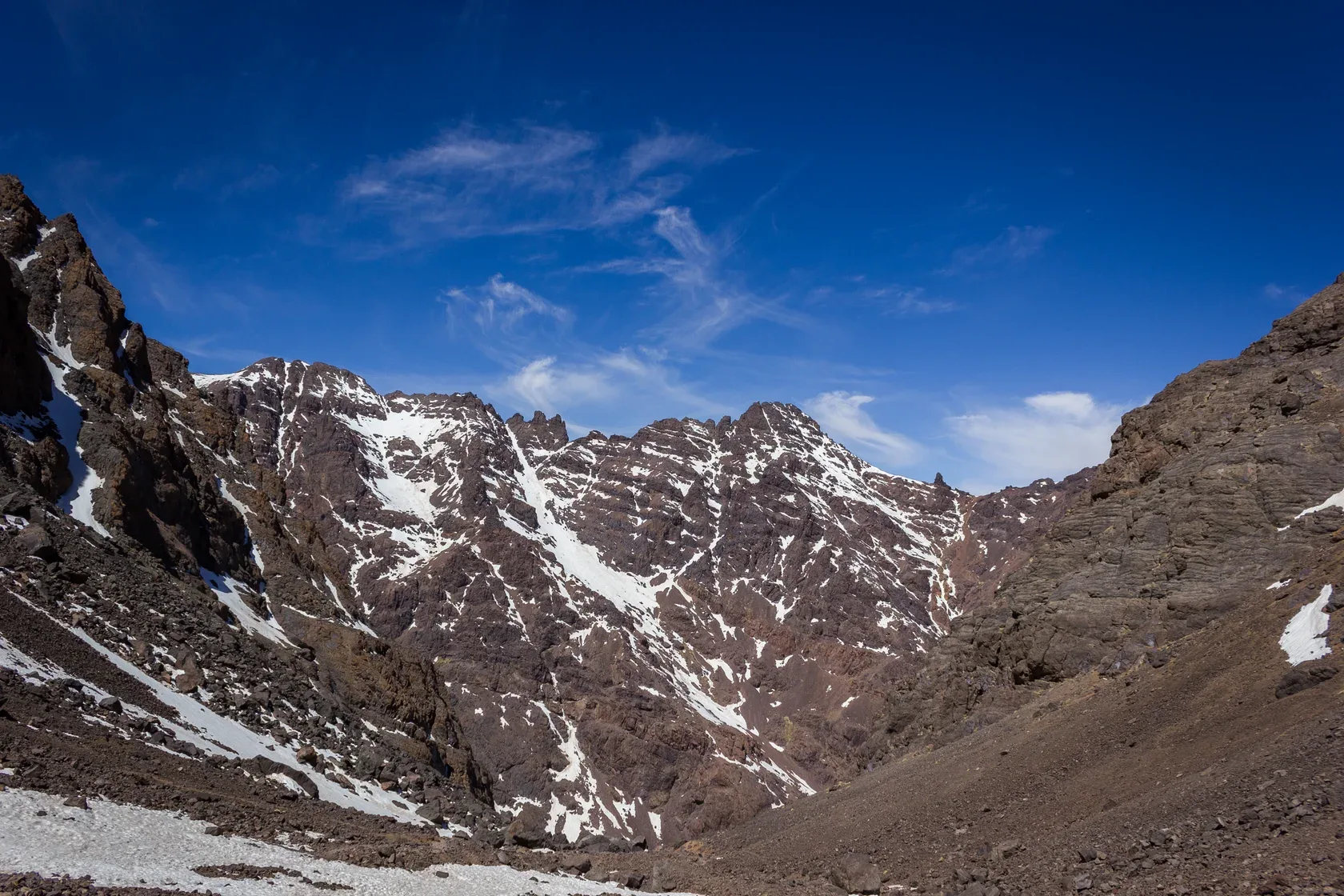
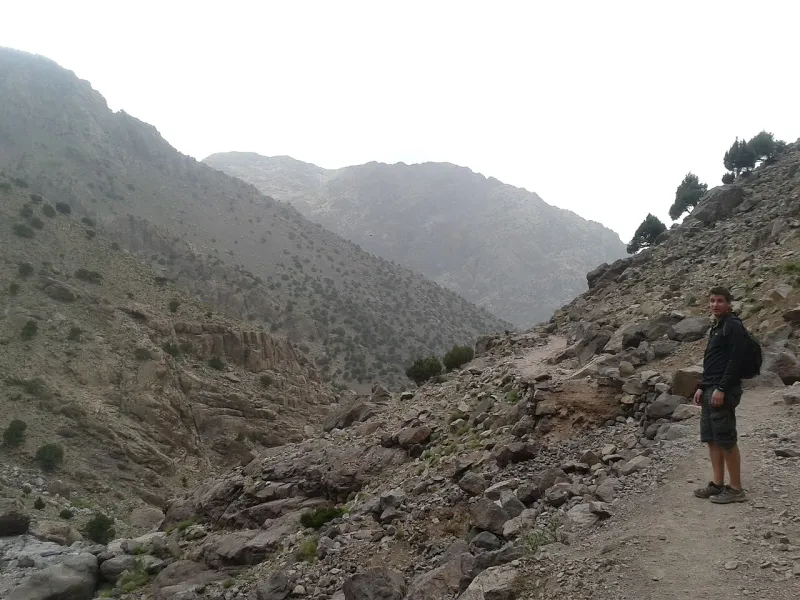
Winter can affect every stage differently. A track used by day walkers below the huts can be accessible while the high route is frozen or obscured. The conditions that make you turn around on the summit can develop after you reach the refuge. Road access to Imlil, footing on the approach and conditions on the summit slope can change separately. A report from someone who walked only to the refuge helps with the approach and leaves the upper section open.
The elevation and difficulty guide explains why the mountain is demanding before you add snow. A cold start adds practical issues at the refuge and on the trail. Be able to put on the necessary layers, turn on a headlamp and reach food or water without emptying your bag. Leave enough light and time for the descent and make sure the party can communicate if visibility deteriorates.
What the winter schedule includes
A public operator listing offers a three-day climb with two hut nights and quotes different prices according to party size. It describes winter equipment and winter guiding. The listing distinguishes its winter service from a dry-route trek. The equipment, fitting and tuition in other packages depend on what those packages actually include. It is possible to book a trek and still need to fit and hire kit separately.
The two-day offers on this page use one mountain night and leave Imlil again after the summit day. The November–April itinerary lists a shared refuge dorm, meals, transfers and mule support. It lists crampons and an ice axe for snow and ice and excludes personal equipment. The private express trip has a two-person minimum and lists crampons and an axe as rentals. The other two-day trip uses a standard refuge dorm in winter and camping in summer, and excludes both pieces of winter kit from the rate. These are listing terms checked 19 November 2026. The three-day operator listed separately describes a different return schedule and includes an extra night at the refuge.
For a winter trip with a fixed departure date, work out when the group will actually be in Imlil during shop hours. A trek departing directly after the drive can require a stop for fitting before the whole group can walk. If an item is supplied by the trek, you can still use that stop to try it with your own boots and gloves. If the extra hut night matters because you want a shorter descent on summit day, keep it in the quote with the name of the refuge and its room type.
Published three-day winter trek prices
Operator and plan
Published price
What’s included
Mount Toubkal, three-day winter climb
€290 per person for two
Winter guide, refuge accommodation, trek meals, return transfers and mule support
Mount Toubkal, three-day winter climb
€270 per person for three to six
Winter guide, refuge accommodation, trek meals, return transfers and mule support
Mount Toubkal, three-day winter climb
€240 per person for seven to thirteen
Winter guide, refuge accommodation, trek meals, return transfers and mule support
The Marrakech-Safi regional brochure shows how quickly the normal upper route gains height after the refuge. A village snowfall report gives one observation at the road. Feed reports from the approach, refuge basin and upper mountain to the guide who will make the decision. Agree where you will do any kit check and where the party will go if conditions rule out the summit.
The published route approaches the refuge on day one and plans to leave the hut at about 6 am on day two for the summit. The second night is back at the same refuge. The walk to Imlil and the road transfer are on day three. A party that needs extra time before the attempt needs a schedule whose second refuge night falls before that morning. source Compare the staging guide to see how moving either refuge night changes the walking days. A car booking that goes straight back to Marrakech may also have to move if the party comes down on another day.
Winter equipment handoff
Item
What changes in winter
Boots and traction
The boots match the equipment specified for the route; try the actual pair.
Ice axe and other specialist equipment
Match the equipment and the group’s practiced skills to terrain the leader expects on the day.
Gloves and layers
Reach spare gloves and insulating layers while keeping the rest of the bag closed.
Headlamp
Reach it quickly, know the settings and have a power backup.
Hut bag
Keep essentials with you in case weather or footing stops luggage support below the refuge.
The packing list sorts the essentials between what you wear or carry and what can travel separately. Know before departure which items you may be able to borrow and what the alternative is if a piece is unavailable in your size. An ice axe or crampons listed online say little on their own about whether a guide considers the conditions suitable for you.
When to turn around
Wind, poor visibility or unusable footing can hold the party below the refuge or move the summit attempt. Decisions may involve wind, low visibility, hard snow, the strength and skills of the party, or the ability to descend safely within the day. Agree a turnaround time and a clear way to communicate concerns. Keep track of the person who needs the most time on descents. Reach a decision while the group is still in a place from which retreat is feasible.
Set an alternate plan in Imlil. If the lower routes are suitable, a day with a local guide and a village stay makes a distinct trip. A substitute valley walk can change the bill for the car, unused refuge beds and equipment rented in Imlil. If the hut is no longer part of the route, the overnight stop moves to the valley or to a different itinerary. For advice on the qualification and winter experience of the leader, read what to verify with your guide.
What makes it winter
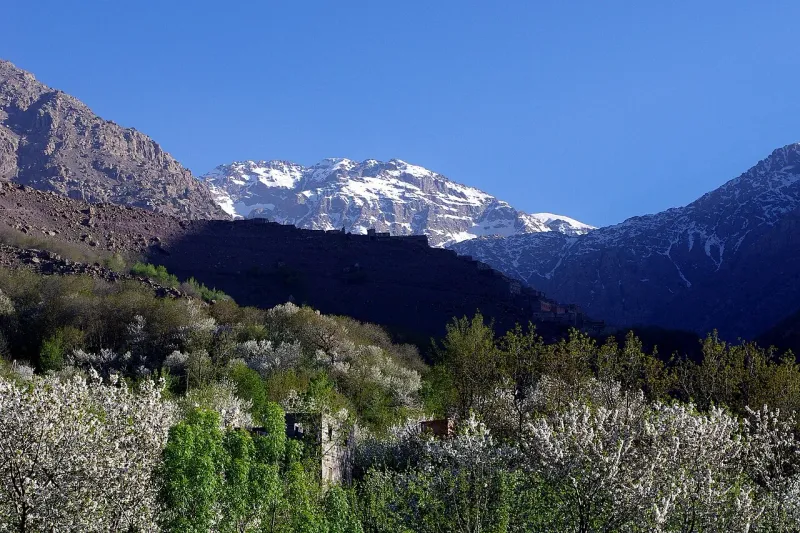
Look at the upper mountain even when the listing’s season says spring or autumn. An itinerary with winter equipment may be appropriate outside the dates a tour operator groups as winter. Conversely, the listing’s date range gives you no assurance that the summit trail will be usable. A change at the refuge can affect the lower descent too. The time the party leaves has to allow for the slower sections of the return.
Conditions by elevation
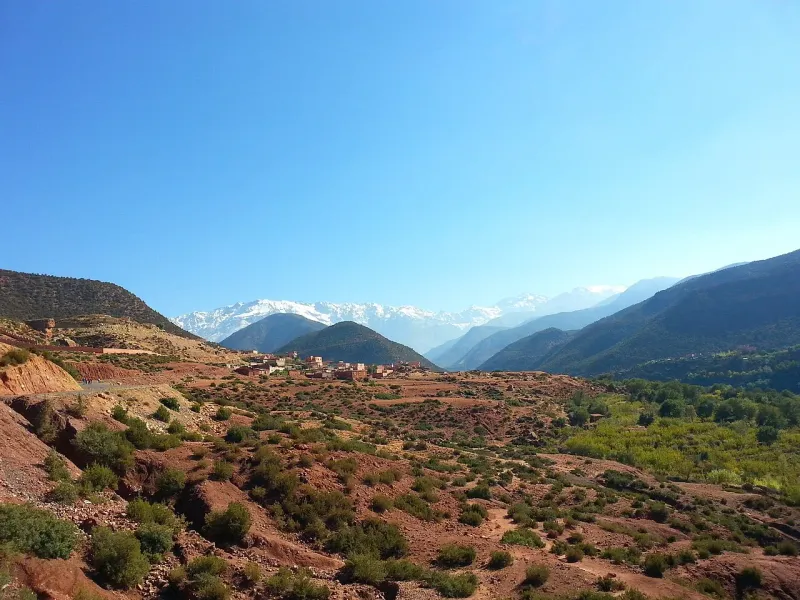
The road and the meeting. A road delay changes the time available for fitting gear and setting off on the approach. A delay can eat into the time you have to fit equipment, get on the trail and reach the refuge. Allow time at whichever stop supplies the kit, since collecting it in Imlil adds a step after the road journey. Find out how the hire return works if you finish early.
Imlil to the refuge. The walking surface and what the group carries can change as you gain elevation. Find out which items the guide wants in your own pack and where the gear is fitted if conditions change during the approach. Animal or other baggage support can stop below the refuge when conditions make the approach unsuitable. A hut meal or bed remains a separate arrangement from the service that gets baggage to it.
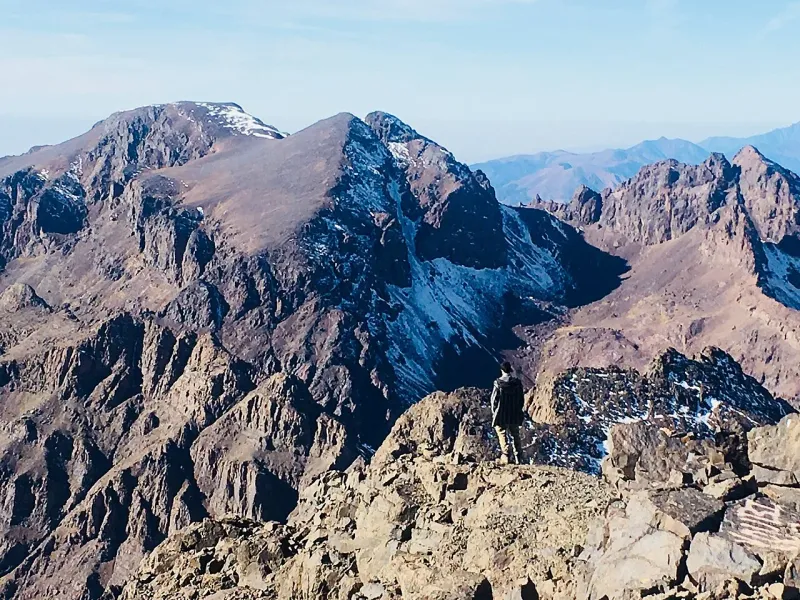
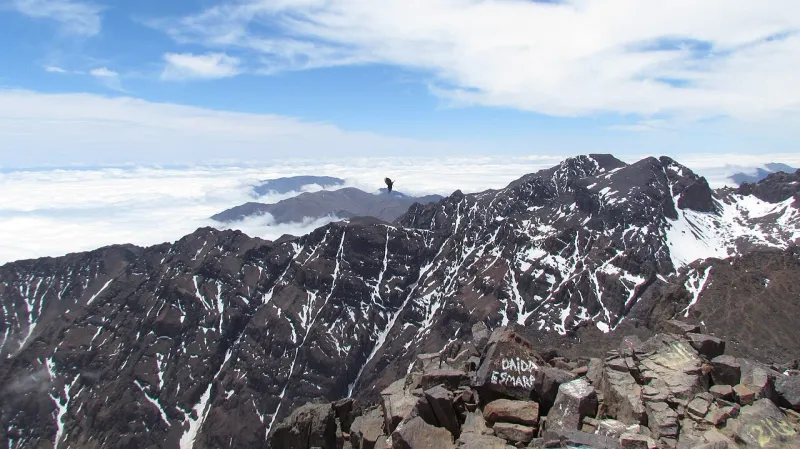
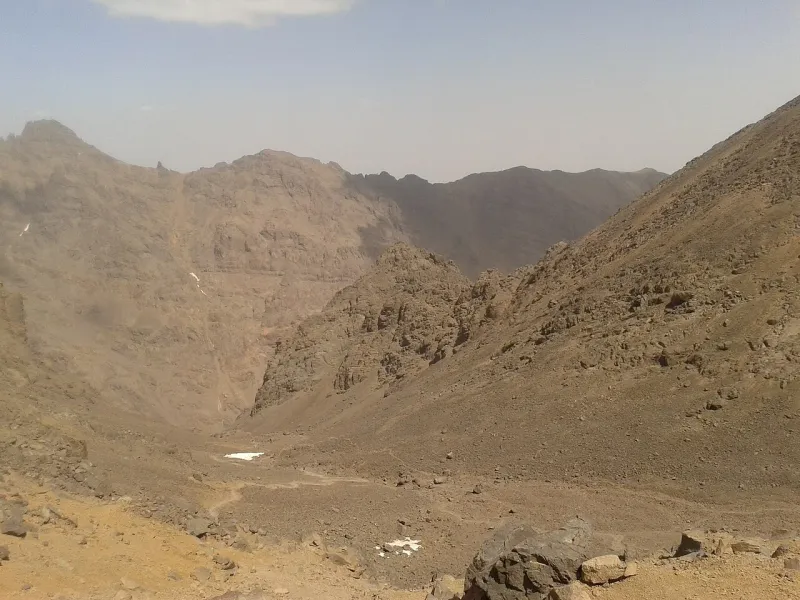
Above the refuge. The leader chooses a line based on snow and ice, visibility and whether the party can retreat over the same ground. Poor footing at departure can change the route before the group leaves the basin. Snow can hide simple landmarks that make the path obvious in other conditions. A person walking with unfamiliar equipment should discuss the required skills and practise with qualified supervision before relying on it higher up.
Weather and the three-day plan
The published winter offer includes two refuge nights. A second refuge booking only gives room to move the attempt when the guide can change the walking day and the lodging or transfer still fits. If the plan places the extra night after the attempt, the main benefit may be avoiding a descent to Imlil on the same day. Moving the climb may mean changing other services too. Discuss how the decision would be made if strong wind or ice is expected during only one part of the trip.
A November, February or April trip report describes someone else’s route and time of travel. Use the Toubkal season calendar to compare typical valley conditions with what you still need to know above the huts. The actual surface and visibility determine the winter demands on your dates. A weather discussion at booking helps you choose the kind of trek and what you might need to hire. A later discussion about the actual route helps you decide whether the goal is still suitable. The guide to Toubkal seasons shows how to frame the road, hut and summit checks separately.
If you descend early
Give the group one place in Imlil to meet again and have a contact who can change the road booking. A late descent can arrive after the hire desk has closed or after spare bags have been put away, even when the road is still open. Budget for a valley night if the trek ends too late to continue to Marrakech or if the road plan changes. Discuss insurance for the actual winter activity before paying. The guide’s services, the organiser’s own arrangements and your personal cover answer different questions if a medical problem means you need help to reach the road.
When comparing quotes, request the list of included hire and the procedure for a missing size. Get the name of the hut and two dates. If the party lacks the skills needed higher up, a lower route gives you a separate walking objective for the time you have in Imlil. Even with a qualified guide, your days in the valley can depend on the road and stream conditions, so get a separate lower-route report.
Good to know
Questions about winter trekking
Can you climb Toubkal in winter?
Yes, when conditions are suitable and the party has the guiding, skills and equipment for them.
Do I need crampons and an ice axe?
Snow and hard ice can require winter mountaineering equipment and skills. The guide can check how boots and traction fit together before the group leaves Imlil.
Can I rent winter kit in Imlil?
Some of the equipment is available from operators or hire providers. The ski or walking boot, traction system and actual size need to fit together before you use them on the route.
How long is the winter trek?
One published winter itinerary is three days with two refuge nights. It puts one night before the summit and one after it, then returns to Imlil on day three.
What happens if the summit route is unsafe?
Agree on a turnaround and a lower route or descent in advance, along with what happens to hut and transfer costs.